Well Aware, a 2025 .ORG Impact Awards finalist, is redefining what transparent nonprofit communication can look like. Through long-term partnerships that provide sustainable clean water systems across East Africa, their work goes beyond project completion to focus on lasting community transformation. We spoke with their team about how transparency, accountability, and honest storytelling help build deeper trust with supporters while strengthening long-term impact.
What does transparency look like in practice for your organization?
For Well Aware, transparency means being willing to say things the nonprofit sector doesn’t always say out loud. We’re vocal about the fact that the international development space has a complicated history – one that has too often prioritized donor feel-good moments over genuine community ownership and long-term sustainability.
We hold ourselves to a different standard, and we think it’s important to name that publicly. That also means we don’t hide failure. When a project hits a setback or something doesn’t go as planned, we tell our supporters – because pretending otherwise doesn’t serve the communities we work with, and it doesn’t serve the donors who’ve trusted us with their resources. Real transparency isn’t just sharing the wins. It’s sharing the full picture, even when that’s uncomfortable.
What information do you prioritize sharing with your supporters, and why?
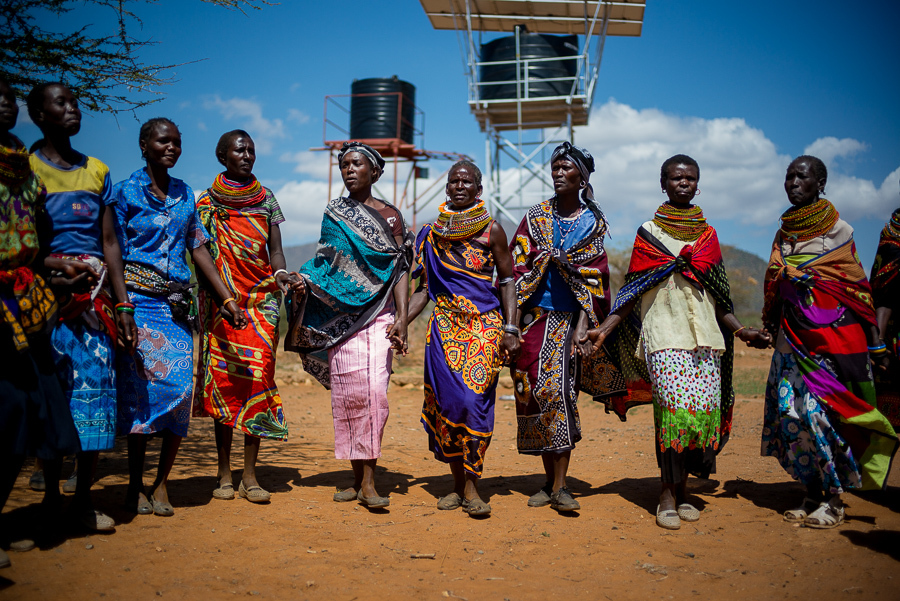
We prioritize sharing what real impact actually looks like – and that’s a longer, more complex story than a single project completion. Clean water access isn’t a moment; it’s a ripple effect that unfolds over years. When a community has reliable water, girls stay in school, women reclaim hours of their day previously spent walking to distant sources, families experience fewer waterborne illnesses, and local economies have a foundation to grow. We try to help our supporters see and understand that full arc, not just the installation day photo.
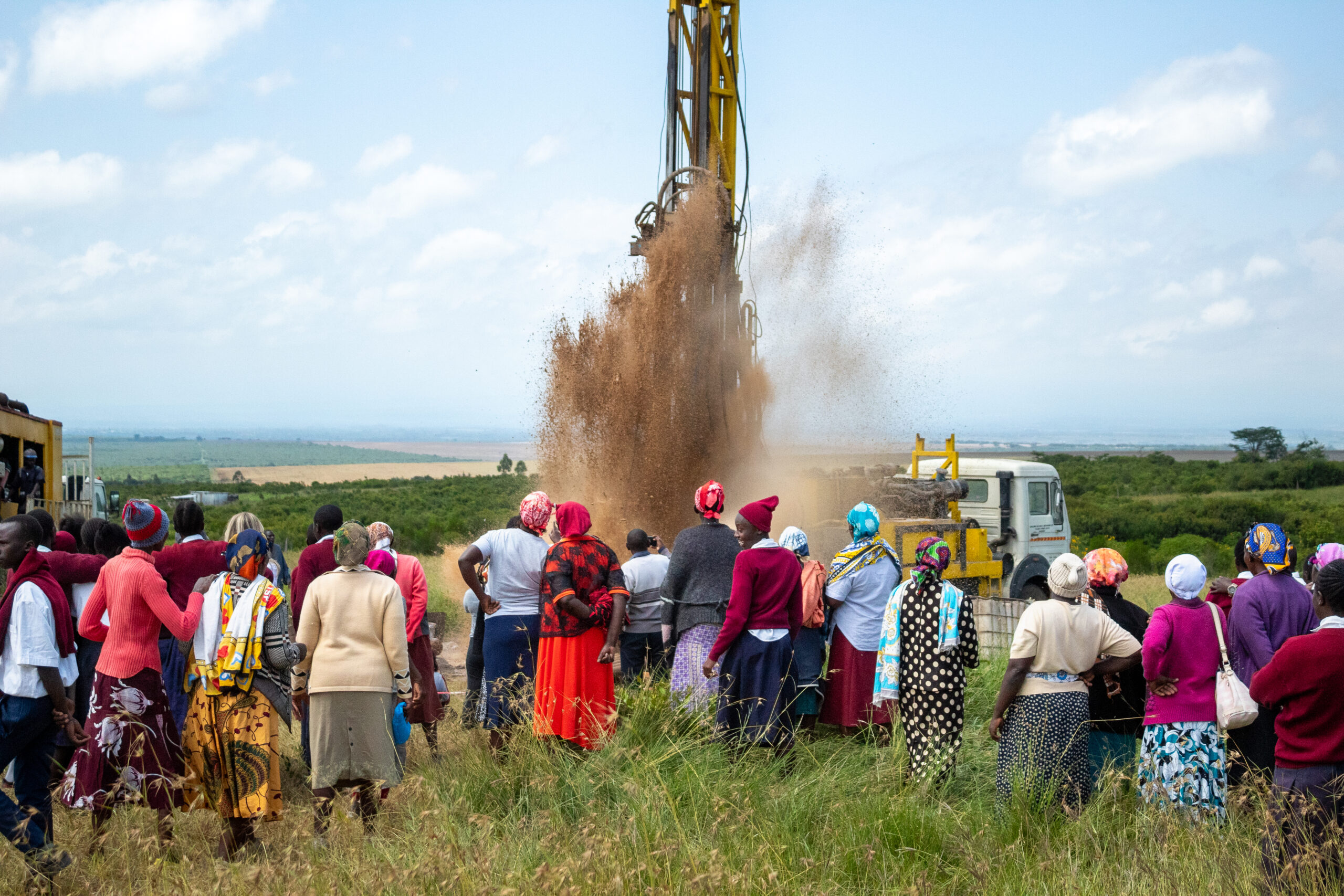
We also prioritize telling the truth about what genuine community partnership requires. Well Aware doesn’t show up with a solution – we show up to listen. That means investing in relationships before a single pipe is laid, working with community-elected water committees, and building local ownership from the start so that systems keep functioning long after our team leaves. That kind of partnership takes more time and more resources than a transactional approach, and we’re transparent about that because we want our donors to understand why it matters – and why the shortcuts so common in this sector so often fail the people they’re meant to serve.
How do you maintain consistent messaging across different platforms and audiences?
We stay anchored in our mission, our voice, and our commitment to leading the sector toward a higher standard – and that north star is what keeps our messaging consistent no matter the platform or audience. The format adapts: a social media post looks different from a grant report, and a donor conversation sounds different from a congressional briefing. But the underlying values don’t shift. Water changes everything, genuine community partnership is non-negotiable, and we hold ourselves accountable to long-term results. Those commitments come through whether we’re talking to a first-time website visitor or a longtime major donor.
Consistency also comes from being willing to hold our lane even when it’s countercultural. The sector has a lot of pressure toward feel-good storytelling, quick wins, and metrics that are easy to report. We’ve chosen a different path – one that’s more honest, more rigorous, and more focused on what communities actually need than on what’s easiest to communicate. Staying true to that publicly, across every touchpoint, is itself a form of trust-building. Supporters and partners know what Well Aware stands for because we don’t change the message depending on who’s in the room.
How do you communicate impact clearly, without overwhelming your audience?
We lead with story – a specific community, a specific person, a real before and after. But we don’t stop there, because in a sector where compelling narratives often paper over shallow results, we think supporters deserve more than a good story. So we use data to deepen the narrative, not replace it. The goal is to bring someone along on the full arc: here’s who this is for, here’s what changed, and here’s the evidence that the change lasted. When data serves the story rather than competing with it, impact becomes something a supporter can actually feel and trust.
What role does data or reporting play in building trust with your community?
There is no universal standard for measuring impact in the international development sector – which means organizations can largely report whatever makes them look good. We think that’s a problem, and we’ve responded by setting our own rigorous benchmark. We don’t just track infrastructure installed. We track whether systems are still functioning years later, whether community water committees remain active and self-sustaining, and whether the longer-term ripple effects – girls’ school attendance, time saved, health outcomes – are actually materializing. That kind of longitudinal reporting is harder and slower, but it’s what genuine accountability looks like. When a supporter sees that we’re measuring the things that are difficult to measure, and sharing those results honestly, that’s what builds real trust – not just confidence that we’re doing good work, but confidence that we know whether we’re doing good work.
What practical steps can nonprofits take to build greater trust through communication?
Start by sharing more than the wins – and we mean really sharing the hard parts, not just acknowledging that “challenges exist.” When a project hits a setback, talk about what happened and what you learned. When an approach didn’t work the way you expected, say so. Donors and supporters are far more sophisticated than the nonprofit world tends to give them credit for, and they can tell the difference between genuine transparency and a carefully managed narrative that happens to include one humble moment.
For us, that means being willing to say things like: this model is harder to scale than we thought, or this community partnership took longer to build trust than expected.Those aren’t admissions of failure – they’re evidence of an organization that’s actually paying attention and actually learning. The willingness to say “here’s what we got wrong and here’s what we changed” is one of the most powerful trust signals a nonprofit can send, because it demonstrates that your commitment is to the work, not to your own reputation.
Beyond that: make your financials genuinely accessible, not just technically available. And close the loop with donors – when someone gives to a specific project or campaign, follow up with an update that connects directly back to their contribution. That follow-through, more than almost anything else, is what turns a one-time donor into a long-term partner.

For nonprofits working to build trust through transparent communication, Well Aware’s experience offers three important lessons:
- Transparency means sharing the full picture — including setbacks, lessons learned, and challenges, not just successes.
- Trust is built through consistency — clear values and honest messaging across every platform strengthen credibility.
- Story and data are strongest together — compelling narratives create connection, while rigorous reporting provides proof of lasting impact.
Well Aware’s approach demonstrates that trust is not built through polished messaging alone—it is earned through honesty, accountability, and a long-term commitment to communicating what real impact truly looks like.
To learn more about organizations like Well Aware and explore the .ORG Impact Awards, visit the .ORG Impact Awards community.